To whoever is reading this: thank you for being here. The algorithm appreciates your clicks and shares.
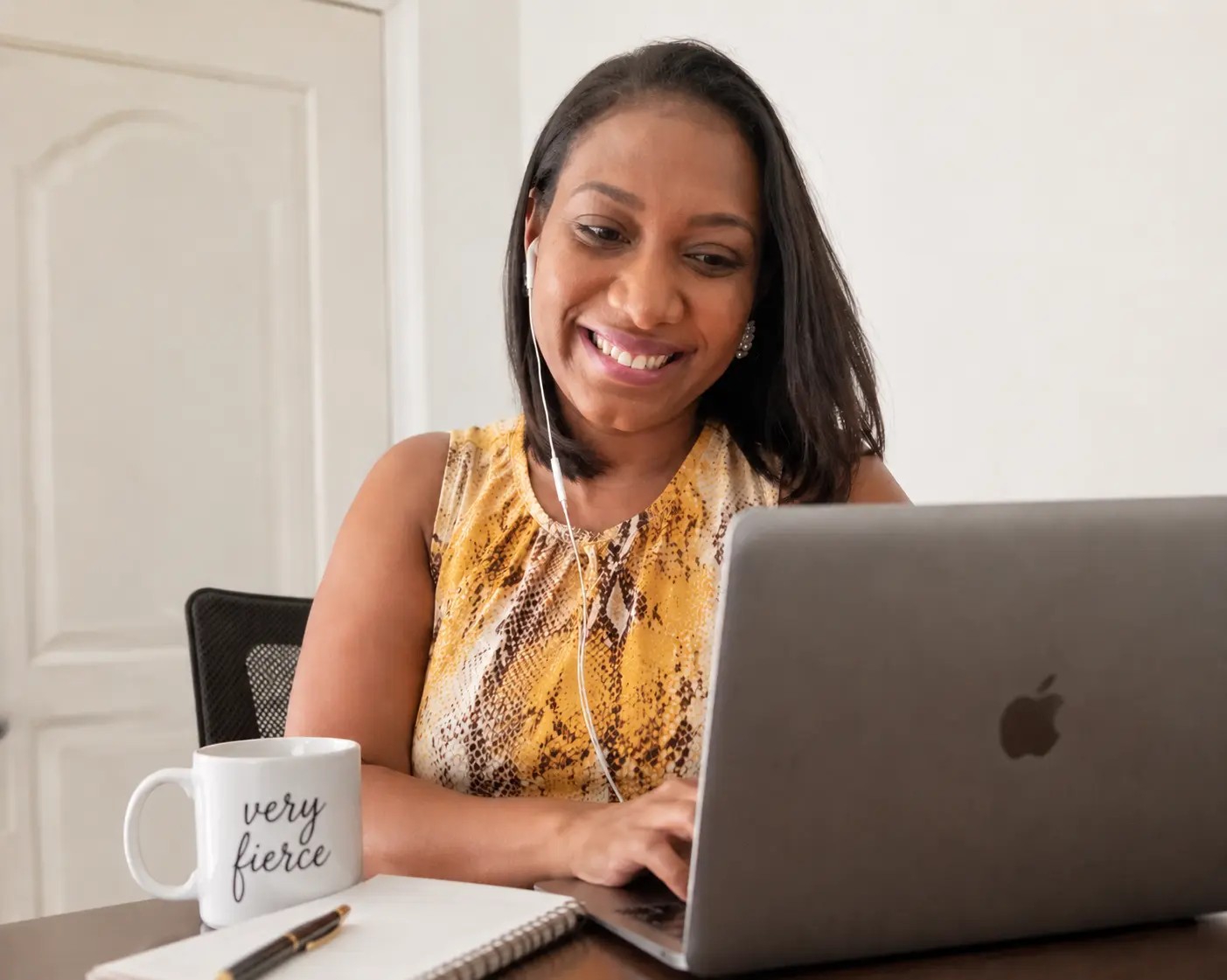
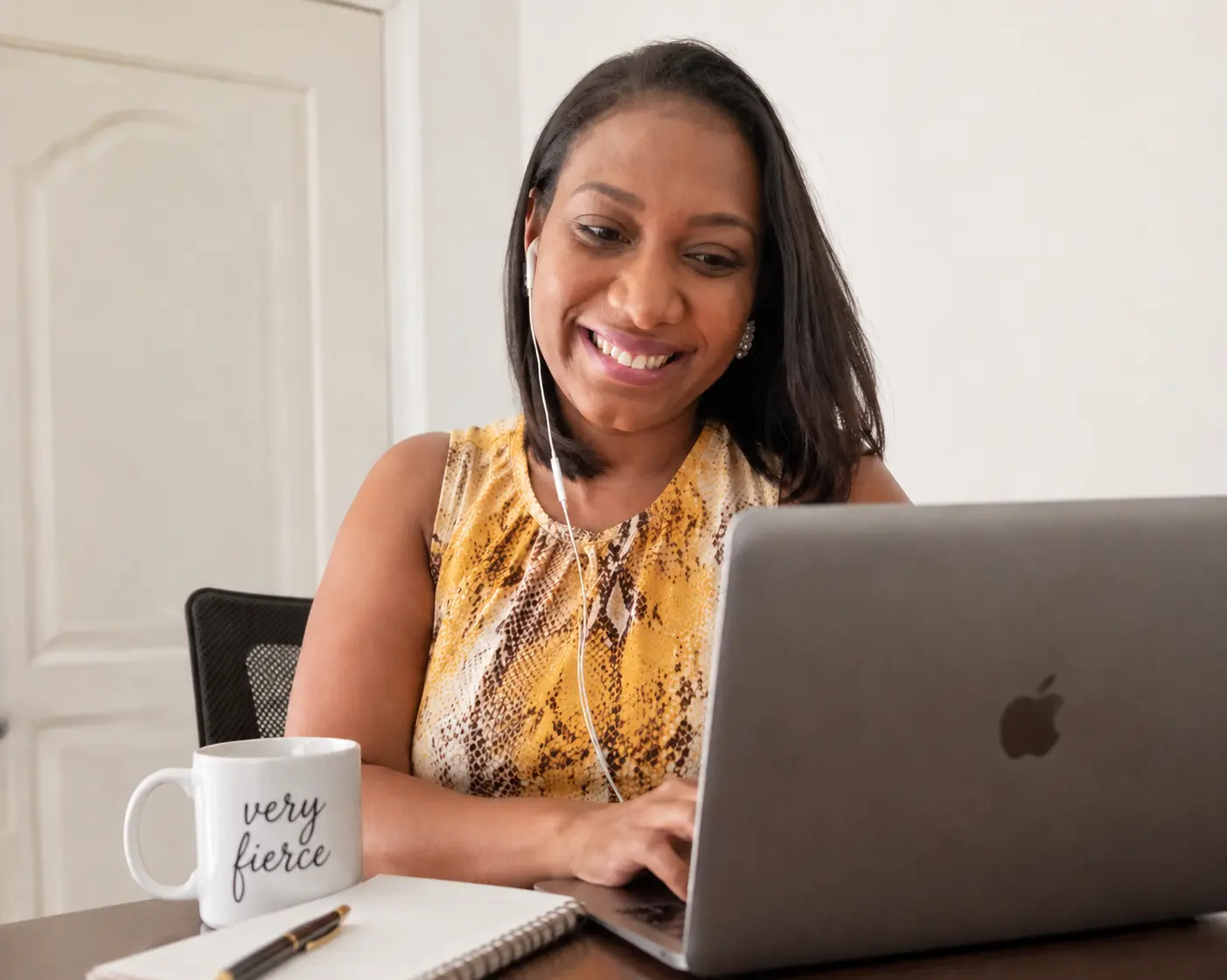
My name is Pamela Perez. I am the founder of Call Centers Academy. And before you ask or wonder, yeah, CCA is still up and running. What we are not doing is advertising ourselves on Instagram, YouTube, or TikTok, because we found a better way to keep changing the industry one candidate at a time. You are looking at it right now.
I am also a mother. Baby fierce came in late 2023 and showed me a new way to make money, help people, and help myself. Motherhood is incredibly challenging, so I took a pause, dedicated it entirely to him, and spent that time partnering with international platforms to upgrade the way I was teaching and training. That is why you are here in this blog. Receiving free content and resources, because life is moving fast and the industry is improving at a speed that sometimes we can barely keep up with.
But let me tell you how this all started. Go grab a coffee. This is going to be long.
Where it all began
It was 2014 when I was talking to my sister Lorena, telling her how frustrated I was working at a pharmacy, pulling graveyard shifts sometimes, to make as much as RD$13,000 a month. My sister, tired of hearing me complain, suggested that since I speak English, I should go ahead and apply for a call center, because in those places people get paid a lot of money.
I looked at her like, what? English? Call center? What do you mean?
I was not confident in my English at all. But since I am me, I thought: you know what, I have nothing to lose.
It was November 2014. I went to Xerox, located on Luperon Avenue. Back then I used Aldaba, yes I am old, and I saw the listing for a call center position, not very specific, just that you needed to speak English and meet the legal requirements. They called me the same day, scheduled an interview for the next day, and I showed up.
I have never been that nervous in my life. My mind went blank. I could barely say thank you, yes, and no. It was my first English interview and I was so extremely nervous that I genuinely cannot remember the conversation. I try hard and I just see a blank space. After the recruiter finished with me, she sent me to a phone interview with the client. I took that phone shaking and sweating. Another blank space. I don't remember what they asked or what I answered.
After the call, I remember the recruiter with a not so confident face telling me: okay, we will call you. I said okay, thanks. And I left.
The walk home
I was walking home with such a feeling of defeat. What the hell was that? That was a very, very poor performance.
I am a strong person. I can show up and smile even when I am dying inside. But after that interview, I cried. I sucked. Whatever pieces I remember were awful, and whatever I can't remember was probably worse than awful.
I got home and went straight to my sister's house. She was excited. I told her: I messed up. That was terrible. They won't call me. My sister, as always, said: nah, I know you, I know you nailed it.
I didn't believe her. I was not expecting a call.
To my surprise, they called. When the girl introduced herself, hi, this is fulana from Xerox, I thought: well, they are calling to tell me rest in peace Pamela. But she said: we want to extend you a job offer. You didn't qualify for the English account, but we have a Spanish project starting next month. Would you like it?
WOULD I LIKE IT, GIRL.
Of course I was in. In my brain I thought that was better than English. I was so far from right. I just didn't know it yet.
The training that changed everything
Training started. My trainer's name was Jessica, a beautiful, small, skinny, friendly girl. I remember all of my coworkers. I remember the account. I remember the script. I think I can even remember my password. That is how I know the interview was genuinely traumatizing, because I have a photographic memory, and if I cannot remember something, it is because it was bad enough, embarrassing enough, that my brain simply erased it.
My salary was 115 pesos per hour. 80 hours biweekly, which is 40 hours a week, overtime available, commissions. I was living well. The English account paid 135 per hour, so everyone dreamed of improving their English to switch and earn more. I was so happy that I didn't even pay attention to that.
But training was overwhelming. Here is the craziest part: we were hired to take Spanish calls, but the training was completely in English. On the call center floor there were signs everywhere that said English Only Zone. We couldn't speak Spanish.
I honestly loved that part because it forced us to grow. But I also remember some coworkers laughing at my English. I admit it, my English really wasn't great back then. And I will never understand why you laugh at someone who is trying, especially if you were once in that same position. But I kept my focus.
The technical side was brutal. All of a sudden we were talking about payment arrangements, troubleshooting, outages, overdraft. What? We were hired as customer service and billing representatives at the same time. My brain was working twice as hard as the English representatives, and I was getting paid less per hour. The customer would ask in Spanish, por qué mi factura está tan alta, and I had to find it in the system in English, read it in English, and answer the customer in Spanish. No way. That was too much.
I spent two years in that account.
After Xerox, I walked across the street to Advensus and got hired for a collections account in English. After two years I felt empowered enough to get more money and take my English to the next level. And I did.
The question that started everything
During the hardest days of training at Xerox, I was talking to my sister and we asked each other: why is there no call center academy in Santo Domingo? I would pay whatever amount of money to someone who could clarify all the doubts they couldn't clarify in training.
We started looking. We couldn't find anything.
I kept moving through the industry. After Advensus I went to other companies, built my English, grew my skills, tried to launch my own business in 2017, failed miserably, came back to the industry grateful that my English and my call center experience were still there waiting for me. By 2018 I was working at Alorica and Concentrix at the exact same time. Yes, I know people say that's impossible. I did it.
Once I recovered financially, something happened to me sitting in the lobby of Alorica watching new applicants come and go.
The lobby moment
I started asking some of them: hey, how did it go? And they replied: they told me my English is not good enough.
My face was a poem.
Wait, what? I had been talking to you for 20 minutes and your English is better than mine when I started. Come on.
To my surprise, Alorica was rejecting almost all of those candidates for not speaking perfect English. Meanwhile I was sitting right there taking calls, next to Ruth, Damian, and Francisco, all of us with limited English, limited vocabulary, and a pronunciation that, looking back now, even I laugh at. Our English was not native. It was not advanced. So why were they disqualifying people with better English than us?
I did the same exercise at Concentrix, Vimenca, and others. I couldn't believe it. We were taking calls back to back because we were understaffed, while at the same time rejecting people who could have filled those seats.
Something was terribly wrong. The FBI girl that lives inside of me decided to go after the answers.
Spoiler: I never found them. More than 12 years have passed since my first call center experience and I still don't fully understand why they do that. What I did discover was this: they weren't rejecting those candidates' English. They were rejecting their performance. The candidates would stutter, shake, and give up before they were even considered. They knew English, but they had never practiced it under pressure. They had no confidence. Not because they weren't capable. Because nobody had ever prepared them.
I remember meeting my coworkers in Alorica's cafeteria and saying: guys, why don't we start a project to help those candidates? There is no place here to go and learn about call centers before applying. What if we try that?
Ruth, Damian, Sharely, and Paola were there. They listened. They loved it.
By late 2018 I launched the idea, created the Instagram, and the rest is history.
Five years, more than a thousand people
From 2018 to 2023, Call Centers Academy trained more than a thousand people and helped them get jobs in the call center industry in the Dominican Republic. That number is not inflated. It's documented, partially, and unfinished, because we stopped counting when things got chaotic.
The team that made it possible: Ruth, Damian, Amaurys, Elizabeth, David, Erika, Banel, Lucille, Juan, Katherine, and Pablo. They each joined at different points in the academy's life and brought knowledge, patience, and real care to every student we served. Some are still in my life. All of them are part of this story.
By 2023 we had made a discovery that changed the entire direction of CCA. We had started hiring our own students, creating a real lab where candidates could train, practice on live calls, and earn at the same time, then graduate into the call center world fully prepared. It was the most honest version of what CCA was always meant to be.
And then life intervened in a way that asked everything of me. And I said yes to it.
I stepped back. CCA went quiet. Baby fierce arrived. And I spent that time healing, learning, and building something stronger than what I had before.
The US immigration officer who didn't know she was part of this story
In 2025 I traveled to the United States for the first time. Thanks to the call center, I didn't fall apart in front of the immigration officer. She bombarded me: what is the purpose of your visit, do you have a return flight, show me, where are you staying, how did you meet that person?
I was dying inside. But unlike my first call center interview, I remember every single question she asked and every single answer I gave. The call center taught me how to stay calm when someone is firing questions at you and you have to answer clearly, professionally, and without freezing.
At the end of the interview she said: where did you learn English? Your English is pretty decent.
I put my chest out, proudly, and said: working at call centers.
She moved her face like when you hear something that surprises you in a good way. She handed me my paper and I said thank you, happy Thanksgiving. And I walked away like the diva I am.
I thought about that girl crying after her interview at Xerox in 2014. And I smiled.
Why this blog exists
CCA is not loud right now. We are not everywhere on social media. We are not selling anything. We are not asking you for anything except your attention, which you are already giving us.
What we are doing is giving you what I wished someone had given me in 2014. Honest information. Real context. Insider knowledge that the call center will never hand you on their own.
If you found this blog through a Google search, that is not an accident. That is exactly the system working the way we built it. And every post you read, every resource you download, every question you ask in the comments brings us closer to the version of CCA that is still being built.
I don't know exactly what that version looks like yet. But I know it starts here.
Thank you for being here.
You only lose if you quit. Don't do it.
Pamela Perez
Founder, Call Centers Academy
Santo Domingo, Dominican Republic
Est. 2018