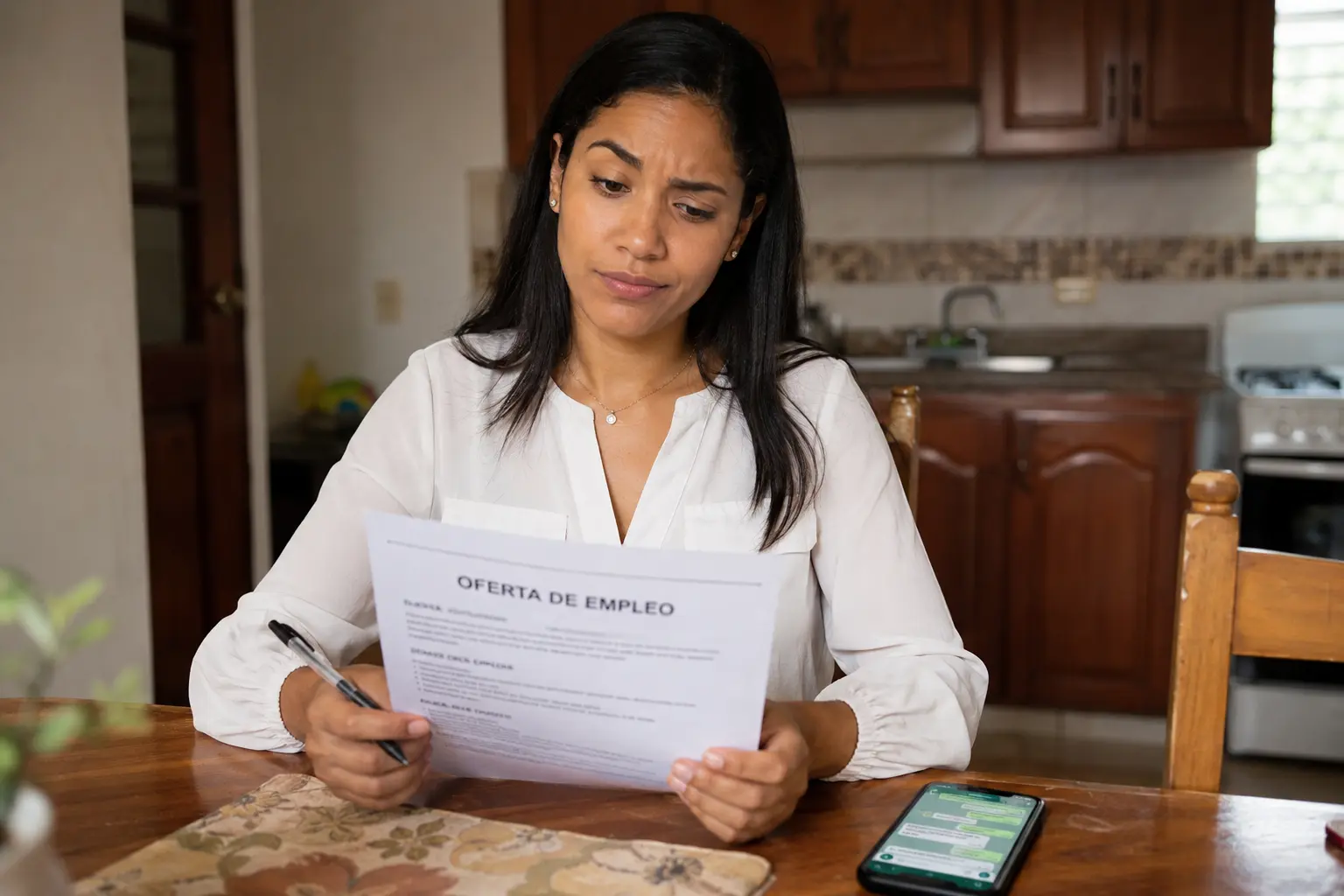
This post is for the candidate who just got a job offer from a call center. You passed the interview, you survived the process, and now there is a document in front of you and someone is waiting for your answer. Maybe they gave you ten minutes to read it. Maybe less. Maybe they are standing right there watching you sign.
Before you put your name on anything, read this.
The industry is getting better. Sort of.
Some call centers are improving. There are companies in this industry that are transparent from the very beginning, clear about the schedule, honest about the salary, upfront about the conditions. When you find one of those, you will feel it. The offer makes sense. The numbers match what they told you. Nothing feels hidden.
But then there are companies that are transparent in the wrong way. They try so hard to be honest that they scare you with information you didn't need and hide the information you actually did need. A recruiter who opens with "this project is very difficult, it's a very demanding account" is not helping you. What is difficult for one person is easy for another.
And then there are the ones who just lie. Sometimes on purpose. Sometimes without even realizing they are lying. Either way, the result is the same: you sign something that doesn't match what you were told, and by the time you figure that out, you are already on the floor.
The most important thing nobody tells you about call center contracts
Here is the hard truth and you need to hear it before anything else.
Contracts in the Dominican Republic are unilateral. The company writes whatever they want to offer. It is up to you to take it or leave it. That is what the labor code allows. They decide how many hours, what the payment looks like, what dates they pay you, which bank they use, and a long list of other conditions.
That is not fair. It is also the law.
Knowing that changes how you read a job offer. You are not negotiating most of it. You are deciding if you can live with it.
The schedule trap
When you agreed to a schedule during the interview, that schedule is what should appear in your contract. Once you sign, they cannot change it. That is your protection.
But here is what most candidates don't ask about: daylight savings.
Some call centers forget to specify what happens to your schedule when the United States changes its clocks in November. If it's not in the contract and nobody told you, you won't know to ask. Then November arrives, and all of a sudden your shift changes by an hour, and maybe that hour matters for your transportation, your childcare, your second job, your life.
Ask about it before you sign. We cover daylight savings in detail in our resources section because it is one of those things that sounds small until it isn't.
The work from home trap
If you were hired for a remote position, that needs to be in the contract. If it is there, they cannot call you back on site without your agreement. If it is not there, they can do whatever they want.
Ask specific questions before you sign. What happens if the internet goes down? What equipment do you need to provide? What are the conditions for losing remote status?
The salary trick that catches everyone
Some call centers advertise a salary of up to RD$240 per hour. You get out your calculator, you do the math, you get excited, you accept the offer.
Then you look at the contract. It says RD$200 per hour base, plus RD$40 when certain conditions are met.
The word that changes everything is up to. Up to RD$240 does not mean RD$240. It means the highest possible salary under the best possible conditions is RD$240. The base is something else entirely.
Wherever you see the words up to in a salary offer, stop. Ask questions. Get the exact breakdown in writing.
Days off and payment dates
These two things must be in the contract. Not implied. Not verbal. Written.
Both of these details can end up in a lawsuit if they are not clear. And here is the truth about lawsuits in the Dominican Republic: it does not matter which side you are on. A lawsuit is back and forth, repeating the same things over and over, spending time and money you don't have. Call centers know how to make a legal dispute last years. You do not want to be in that position.
If the offer doesn't feel right, if the numbers don't add up, if something feels hidden, you are allowed to say no. Sometimes rejecting an offer is the thing that makes a company reconsider.
One more thing
A job offer is not an emergency. Even when it feels like one. Even when the recruiter is standing there waiting.
You have the right to read what you are signing. You have the right to ask questions. Any company that pressures you to sign without reading is telling you something important about how they will treat you once you are inside.
The best call center job is one where you knew exactly what you were walking into before you walked in.